
India can take you from Himalayan snowfields to desert forts and southern temple towns in a single trip. This guide brings together the places our travellers ask about most, from the far north to the deep south, with a closer look at the temples that are worth planning a whole journey around. Every place here can be combined with others into one itinerary, so read it as a menu rather than a checklist.
The Himalayan north
Gulmarg, Jammu and Kashmir
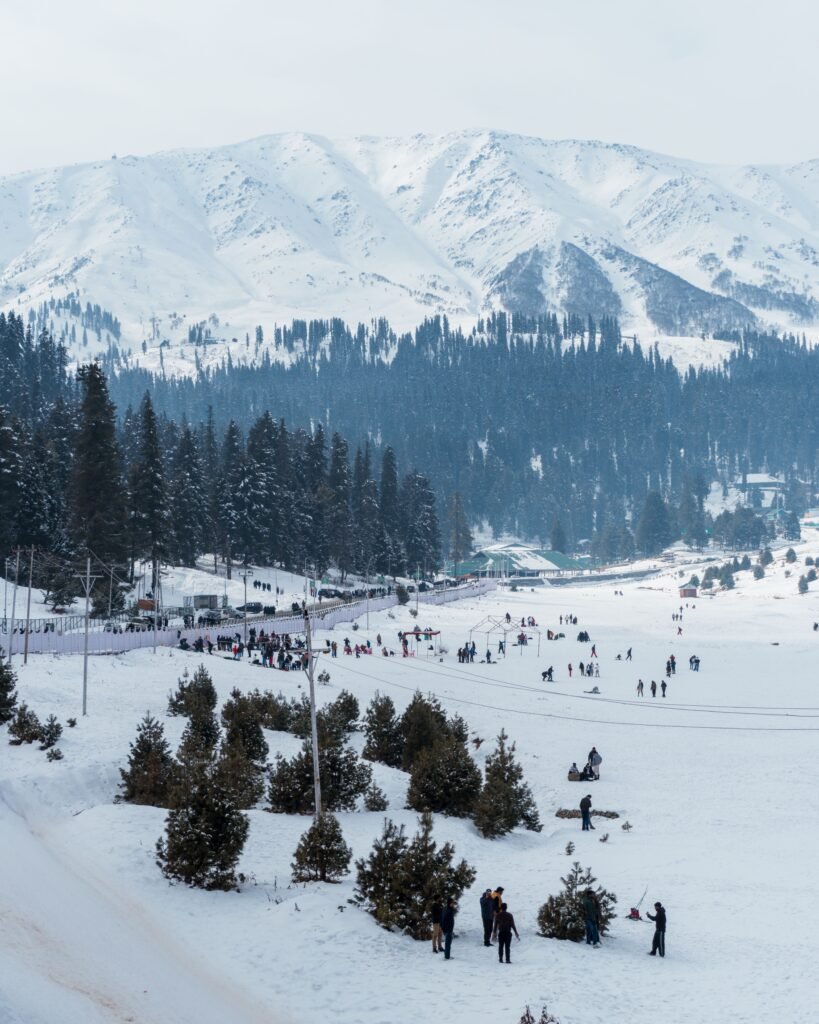
Gulmarg is a high meadow in the Pir Panjal range, a short drive from Srinagar. In winter it is one of India’s best-known places to ski, and the Gulmarg Gondola carries visitors up towards Mount Apharwat on one of the highest cable car rides in the world. In summer the snow gives way to green slopes and wildflowers, and the meadow becomes a gentle base for walks and pony rides. Many travellers pair a few nights here with a houseboat stay on Srinagar’s Dal Lake.
Leh and Khardung La, Ladakh
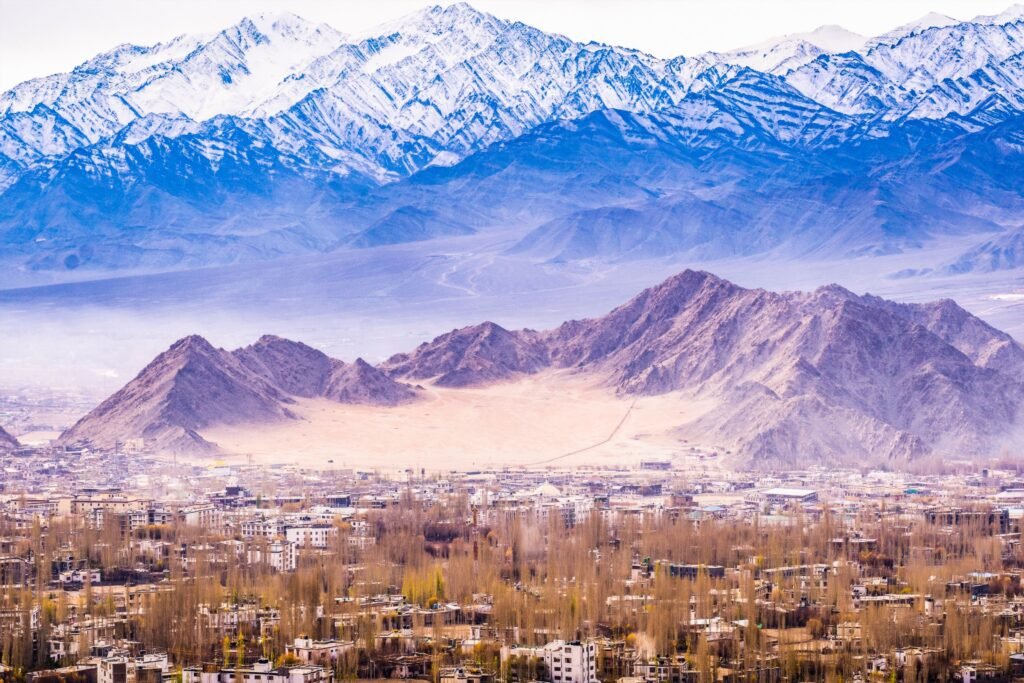
Leh sits at about 3,500 metres in a high, dry valley ringed by snow peaks. It is the base for monasteries such as Thiksey and Hemis, the road over Khardung La to the Nubra Valley, and the long drive to Pangong Lake. Khardung La is often described as one of the highest motorable passes in the world, and the views from the top are hard to beat.
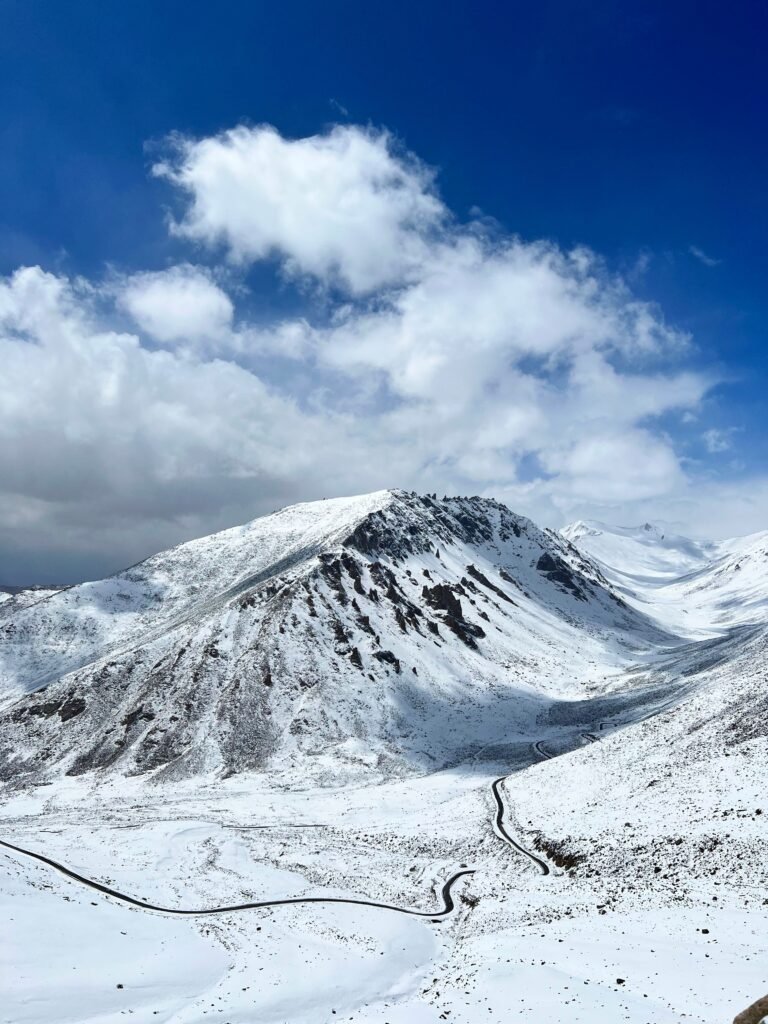
Because of the altitude, keep your first two days in Leh slow and easy. Travel between early summer and early autumn, when the roads and high passes are generally open.
Manali and Shimla, Himachal Pradesh
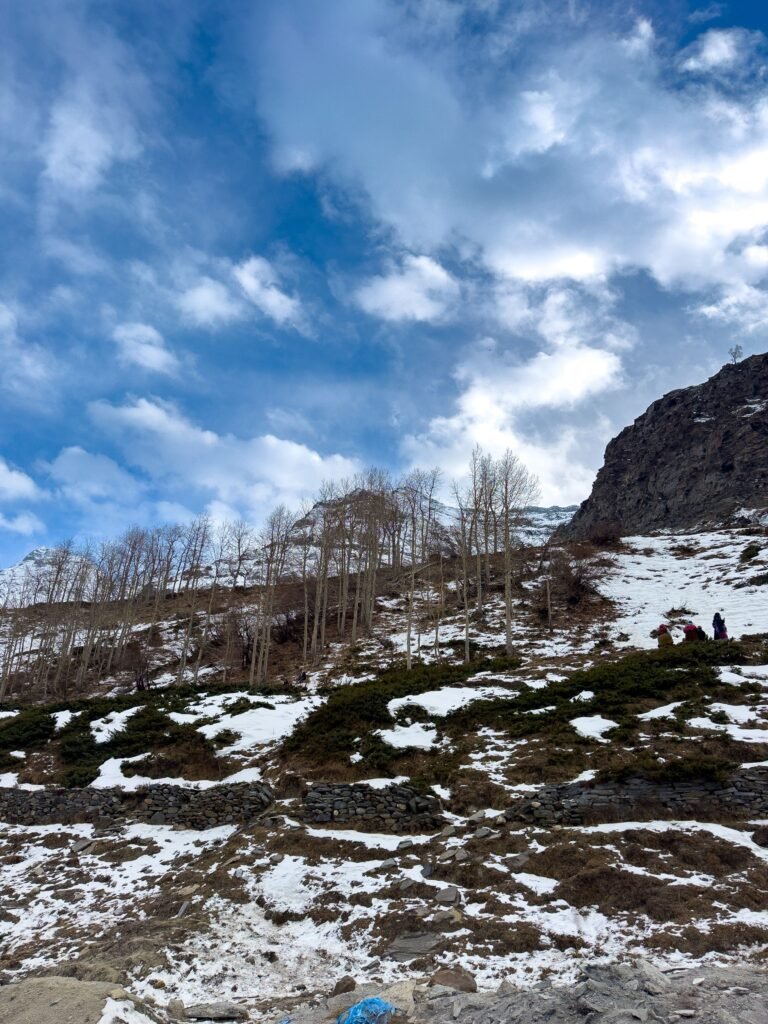
Manali lies at the head of the Kullu Valley on the Beas river and suits almost every kind of traveller. There are cafés and the 16th-century Hadimba Devi Temple set in cedar forest, adventure sports in Solang Valley, and, since the Atal Tunnel opened, an easier road north into Lahaul.
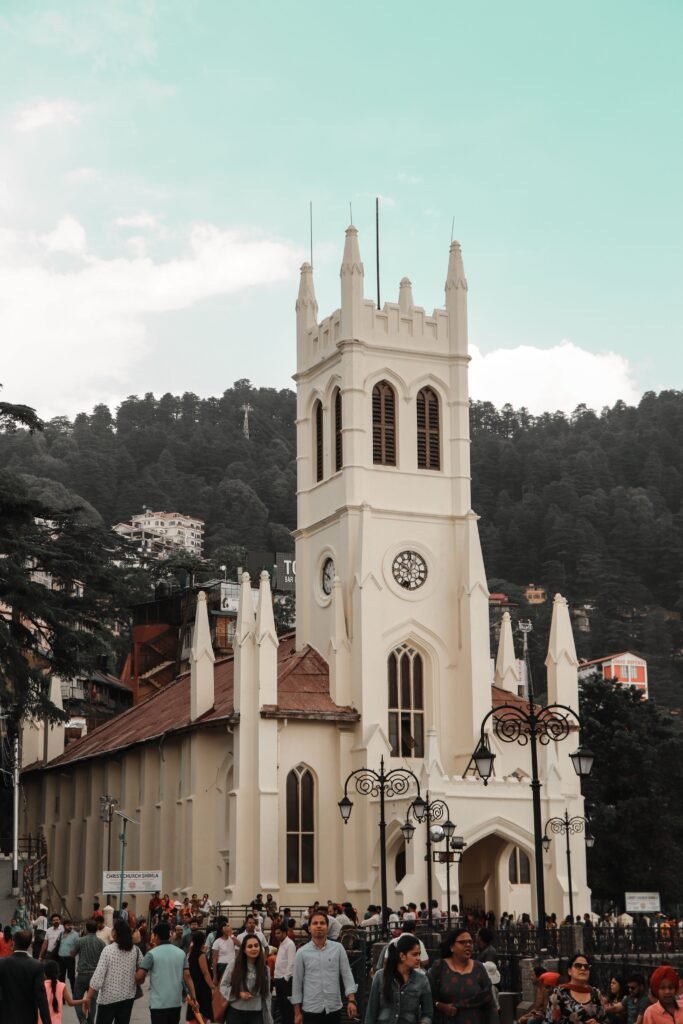
Shimla was the summer capital of British India, and its colonial buildings still line the Ridge and Mall Road. Christ Church, completed in the mid-1800s, is one of the oldest churches in north India. The narrow-gauge Kalka-Shimla railway, part of the Mountain Railways of India World Heritage Site, is a slow and scenic way to arrive.
Rajasthan’s royal cities
Jaipur
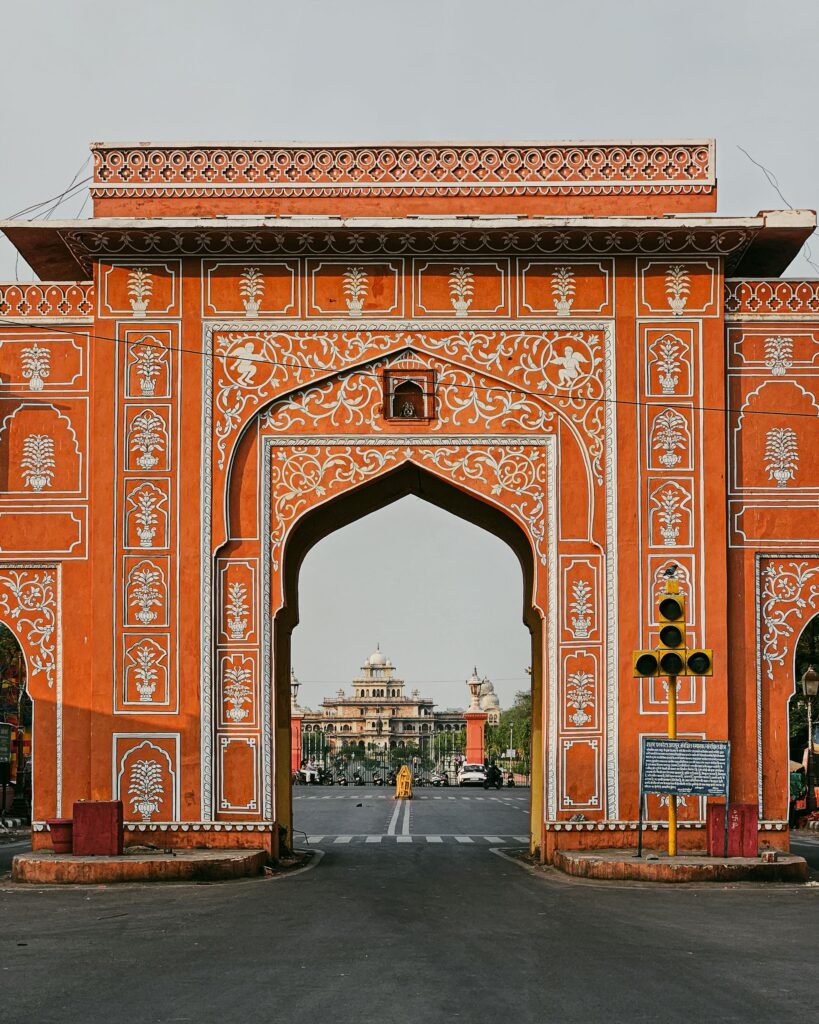
Jaipur’s old city was painted pink in 1876 to welcome the Prince of Wales, and the colour has stayed. Give yourself at least two days for Amber Fort, the City Palace, the Hawa Mahal and the Jantar Mantar observatory, plus time for the bazaars where block prints, jewellery and blue pottery are made and sold.
Udaipur
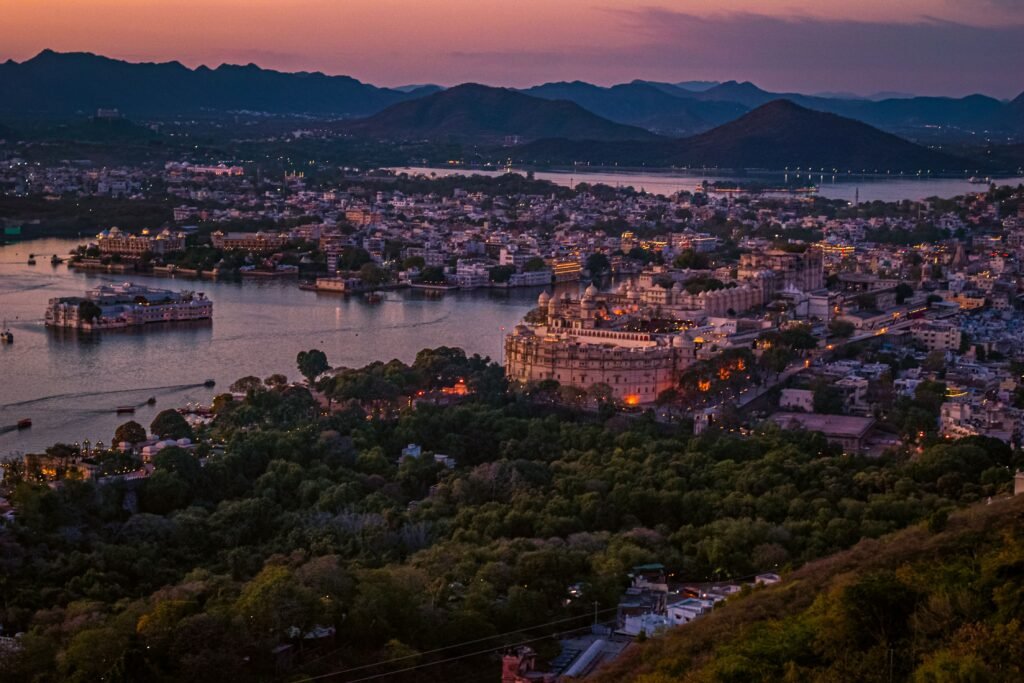
Udaipur is built around a chain of lakes, with the City Palace rising above Lake Pichola. It is the most romantic of Rajasthan’s cities: take a boat out at sunset, wander the lanes of the old city, and stay in a lakeside haveli if you can.
Jodhpur and the Thar Desert
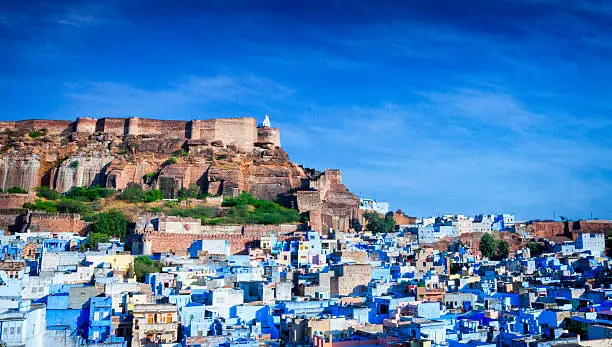
Jodhpur’s blue-painted old town spreads out beneath Mehrangarh Fort, one of the most impressive forts in India. Continue west to Jaisalmer for golden sandstone lanes and a night at a desert camp, with a camel ride over the dunes at sunset.
Cities with history on every corner
Delhi
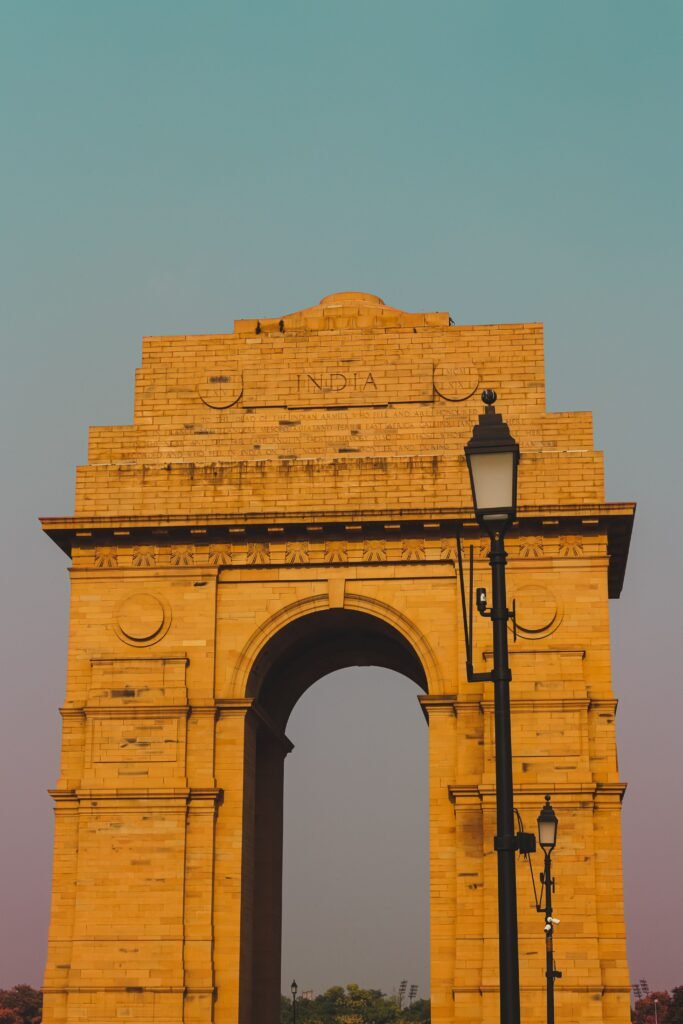
India Gate, designed by Edwin Lutyens, is a memorial to soldiers of the British Indian Army who died in the First World War and the Third Anglo-Afghan War. It is at its best in the evening, when families gather on the lawns around it. Delhi also has three UNESCO World Heritage Sites: the Red Fort, Humayun’s Tomb and the Qutb Minar complex. Most first-time visitors start here before heading to Agra and Jaipur on the Golden Triangle.
Mumbai
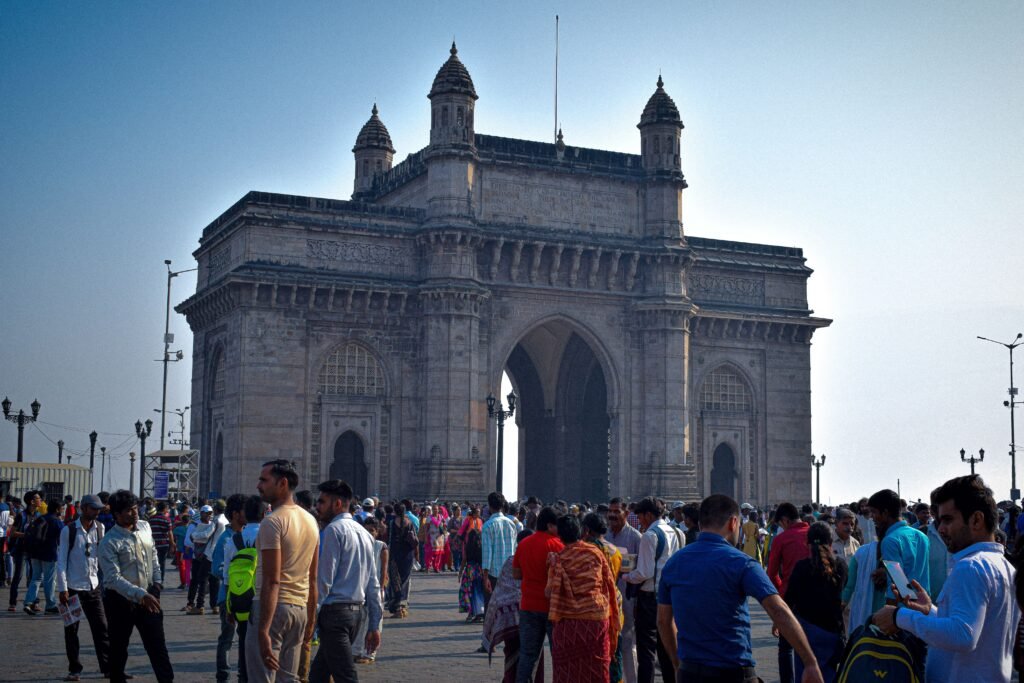
The Gateway of India was built to mark the 1911 visit of King George V and Queen Mary and was completed in 1924. Ferries leave from here for the rock-cut Elephanta Caves, another World Heritage Site, and the waterfront is a good place to begin a walk through the city’s Victorian and Art Deco streets.
Kolkata
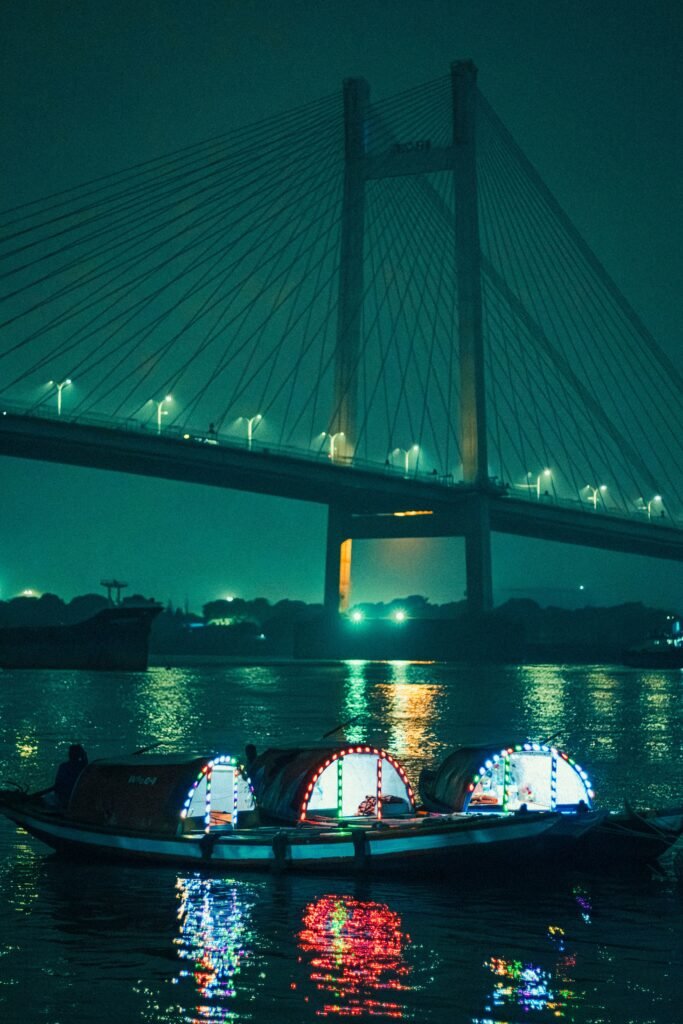
Vidyasagar Setu, a cable-stayed bridge across the Hooghly that opened in 1992, links Kolkata with Howrah and glows after dark. Kolkata rewards slow exploring: the Victoria Memorial, the flower market beside Howrah Bridge, and the city’s famous sweet shops. It is also the natural starting point for the Sundarbans mangroves and the tea gardens of Darjeeling.
Hyderabad
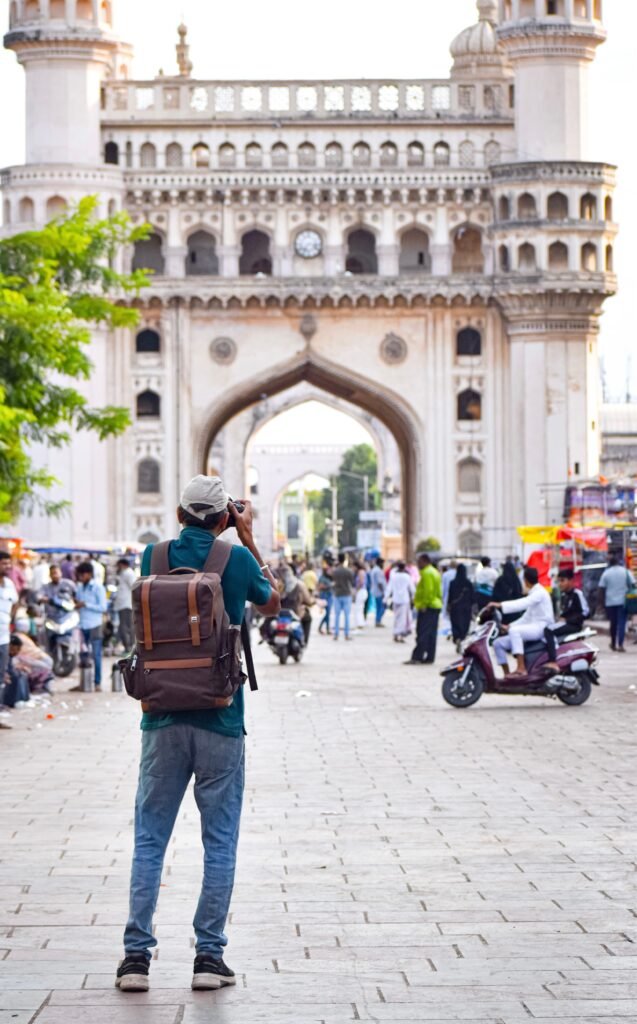
Charminar was built in 1591 by Muhammad Quli Qutb Shah, the founder of Hyderabad, and it still stands at the heart of the old city. Around it, Laad Bazaar sells glass bangles and pearls. Add a visit to Golconda Fort and an evening of Hyderabadi biryani.
Bengaluru
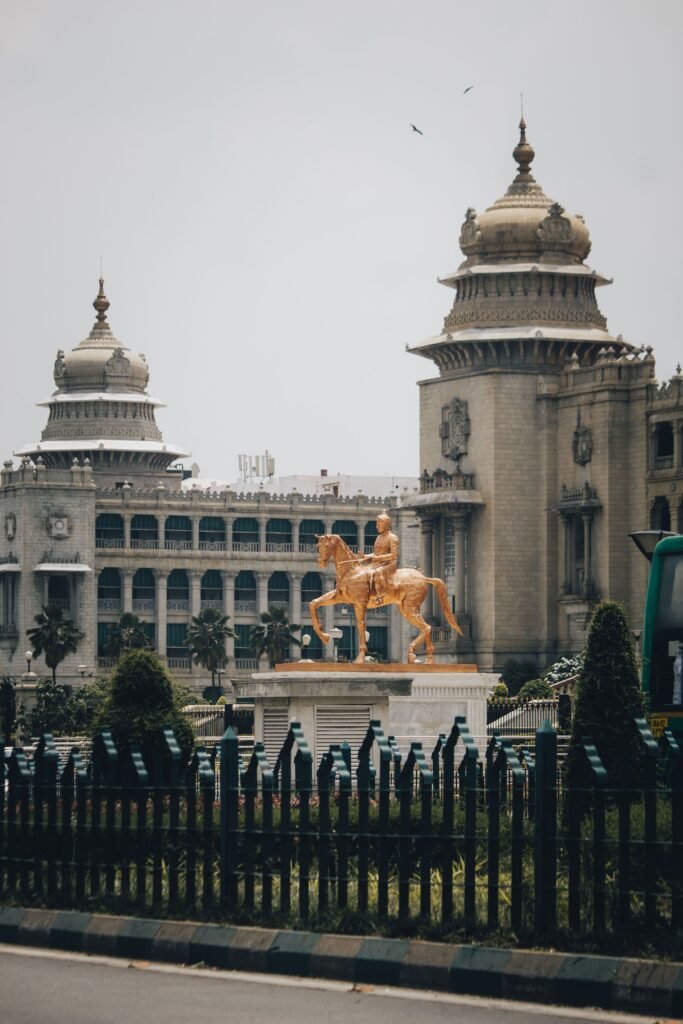
Vidhana Soudha, the granite seat of Karnataka’s legislature, was completed in 1956. Bengaluru is a relaxed base with good food and green spaces such as Lalbagh and Cubbon Park, and it is within easy reach of the palace city of Mysuru and the temple town of Nanjangud.
The temples worth travelling for
India’s temples are living places of worship as much as historic monuments, and visiting one is often the moment travellers remember most. These five are worth building a trip around.
The Golden Temple, Amritsar, Punjab
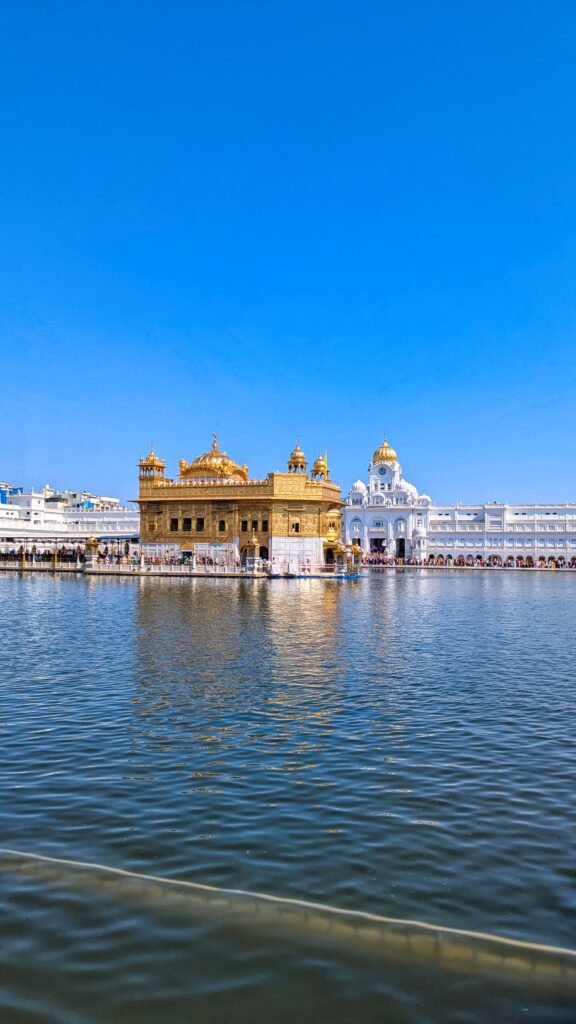
Sri Harmandir Sahib, known to most visitors as the Golden Temple, is the holiest gurdwara of Sikhism. It was built under Guru Arjan Dev, the fifth Sikh Guru, and its upper floors were covered in gold in the early 19th century under Maharaja Ranjit Singh. The temple stands in the middle of a sacred pool and welcomes people of every faith.
Its community kitchen, the langar, serves free meals to tens of thousands of people every day, and anyone can sit down to eat or lend a hand. Come at dawn or late in the evening, when the marble is cool and the hymns carry across the water. Cover your head and leave your shoes at the counter before you enter; head scarves are available at the entrance.
Meenakshi Amman Temple, Madurai, Tamil Nadu
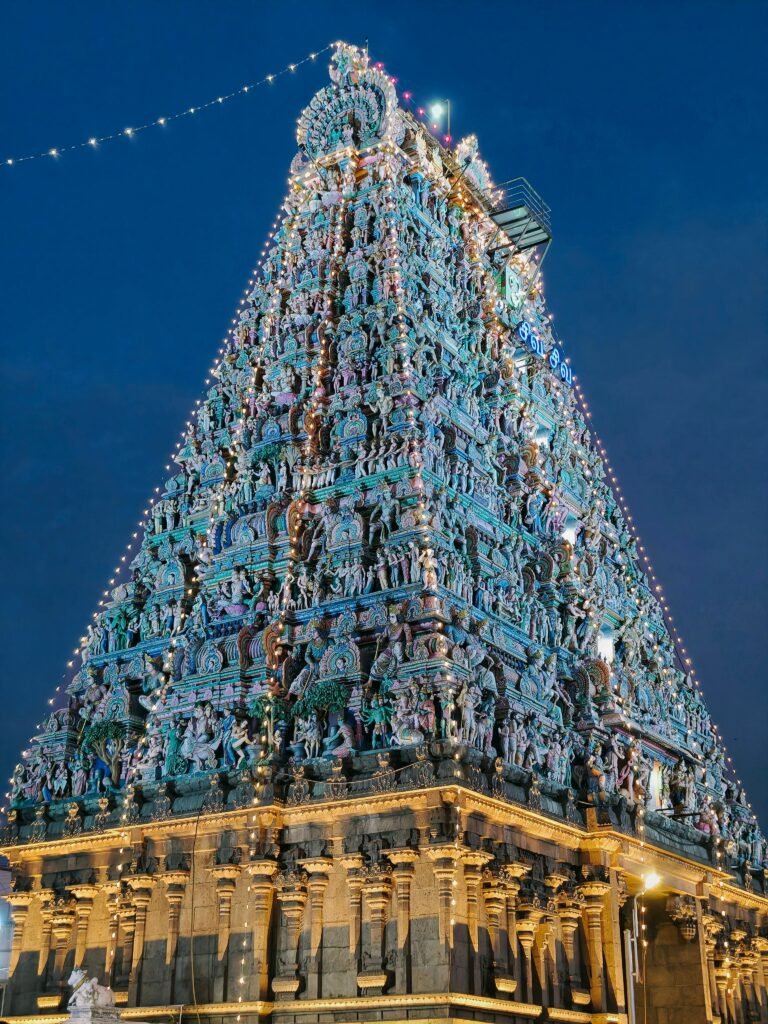
This vast temple in the centre of Madurai is dedicated to the goddess Meenakshi, a form of Parvati, and her consort Sundareswarar, a form of Shiva. Fourteen gopurams, the towering gateways of South Indian temples, rise above the complex, covered in thousands of brightly painted figures. Much of what you see today was built under the Nayak rulers in the 16th and 17th centuries.
Look for the Hall of a Thousand Pillars, and if you can, stay into the evening for the nightly ceremony in which Sundareswarar is carried to Meenakshi’s shrine. The Chithirai festival in April and May, which celebrates their divine wedding, fills the city with pilgrims.
Andal Temple, Srivilliputhur, Tamil Nadu
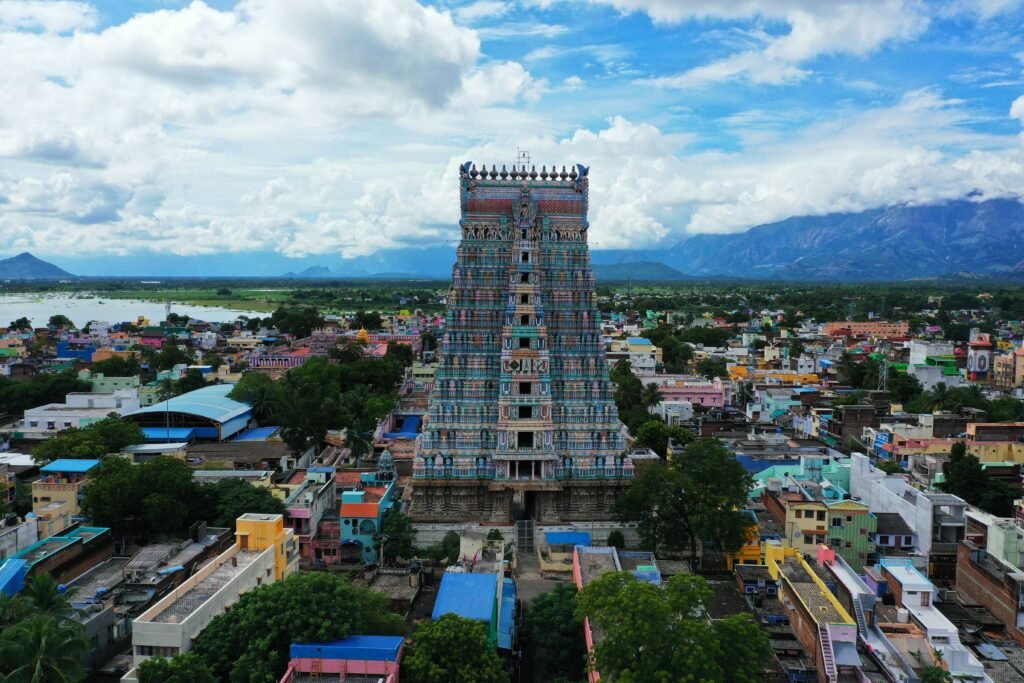
Srivilliputhur is a small town in southern Tamil Nadu with an outsized place in devotional history. It is the birthplace of Andal, the only woman among the twelve Alvar poet-saints, whose Tiruppavai verses are sung across South India during the month of Margazhi, from mid-December to mid-January. The temple’s tall gopuram is so well known that it appears on the emblem of the Tamil Nadu government. Before you leave, try the town’s famous palkova, a rich milk sweet.
Srikanteshwara Temple, Nanjangud, Karnataka
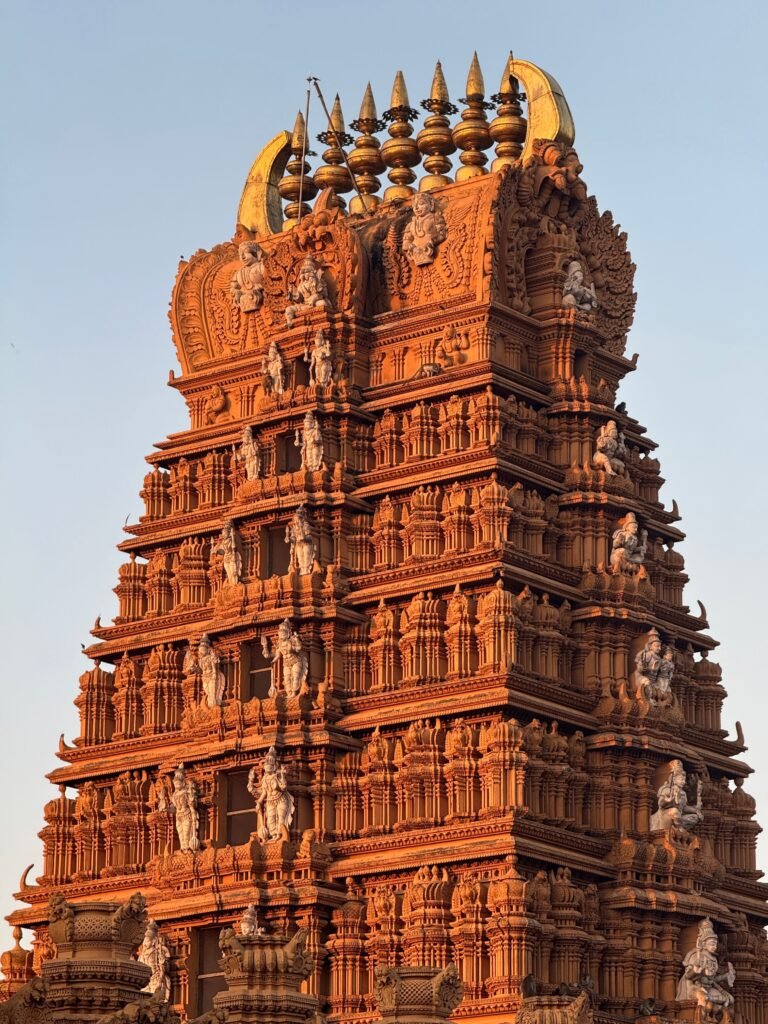
On the banks of the Kapila river, south of Mysuru, the Srikanteshwara Temple is dedicated to Shiva as Nanjundeshwara, the god who swallowed poison to save the world. Its tall carved gopuram can be seen from across town, and pilgrims fill the streets for the annual chariot festival. It makes an easy half-day trip from Mysuru.
Sri Venkateswara Temple, Tirumala, Andhra Pradesh
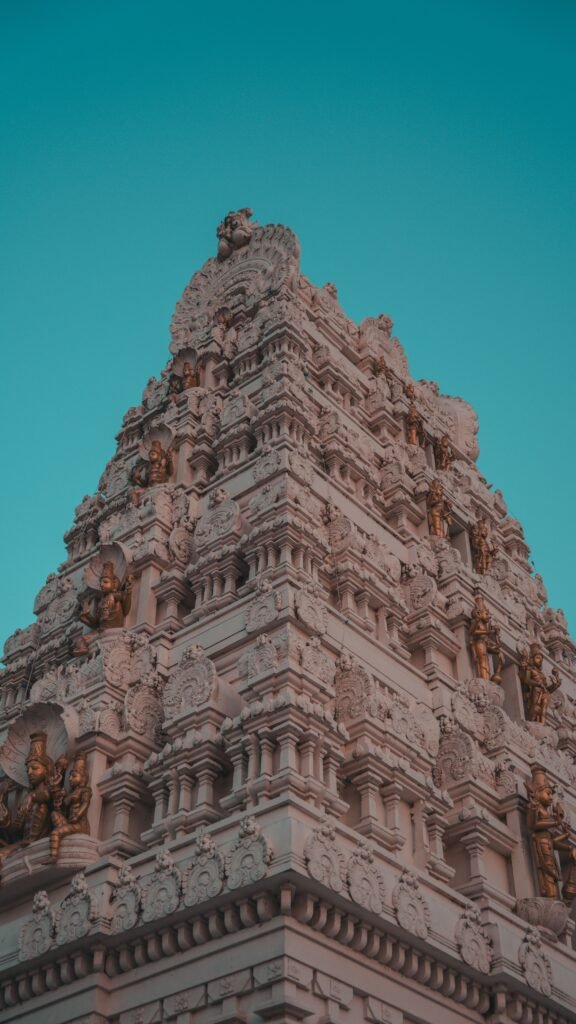
High on the Seshachalam hills above Tirupati, the temple of Sri Venkateswara, a form of Vishnu, is one of the most visited places of pilgrimage in the world. Many devotees climb the hill on the stepped footpaths, and many offer their hair as a sign of devotion. The laddu given as prasadam is famous across India.
Plan ahead here. Darshan slots are booked through the official Tirumala Tirupati Devasthanams (TTD) website, traditional dress is expected, and queues can be long at weekends and during festivals.
Coasts and backwaters
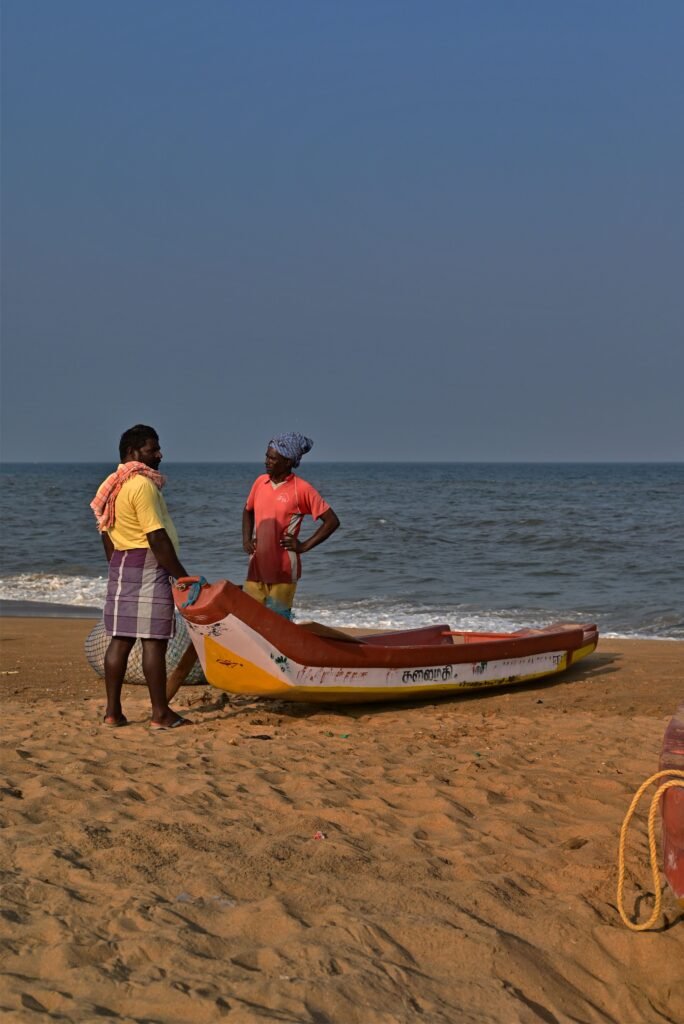
Chennai is the gateway to Tamil Nadu’s temple country. Marina Beach is one of the longest urban beaches in the world and is at its best early in the morning, when fishing boats come in. The shore temples of Mahabalipuram are an easy day trip down the coast.
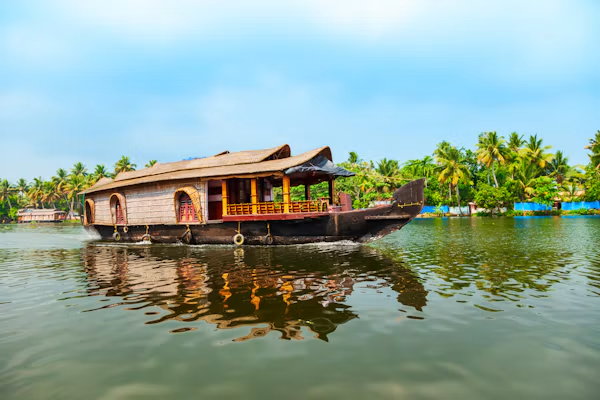
On the other side of the peninsula, Kerala’s backwaters are made for slowing down. A night on a houseboat near Alappuzha, followed by a few days in the tea hills of Munnar, is one of the most restful trips in India. For classic beach days, Goa is at its best from November to February.
More temples to add to your list
- Kashi Vishwanath Temple, Varanasi: one of the twelve Jyotirlinga shrines of Shiva, steps from the Ganges. Stay for the evening aarti on the ghats.
- Jagannath Temple, Puri, Odisha: a 12th-century temple famous for the Rath Yatra chariot festival. Entry inside is limited to Hindus.
- Konark Sun Temple, Odisha: a 13th-century temple built as the chariot of the sun god, with giant carved stone wheels. A UNESCO World Heritage Site.
- Brihadeeswarar Temple, Thanjavur: completed in 1010 under the Chola king Rajaraja I, with a towering granite vimana. Also a World Heritage Site.
- Ramanathaswamy Temple, Rameswaram: known for its long pillared corridors and its place on the Char Dham pilgrimage.
- Virupaksha Temple, Hampi: still in worship among the ruins of the Vijayanagara capital, which is a World Heritage Site.
- Khajuraho, Madhya Pradesh: temples built under the Chandela dynasty, celebrated for their sculpture.
- Kedarnath, Uttarakhand: a Himalayan Jyotirlinga that opens to pilgrims for only part of the year.
- Dilwara Temples, Mount Abu: Jain temples with some of the finest marble carving in India.
Tips for visiting temples in India
- Dress modestly, with shoulders and knees covered. Some temples, particularly in the south, expect traditional dress.
- Shoes come off before you go in. Socks help on stone floors that heat up in the afternoon sun.
- Cover your head inside gurdwaras.
- Photography rules vary. Many temples do not allow photos inside, and some ask you to leave your phone at a counter.
- Some temples admit only Hindus to their inner areas. Follow the signs at the gate.
- Go early. Mornings are cooler and quieter, and the morning rituals are worth seeing.
- Check opening times and festival dates before you travel. Temples close at certain hours and can be very busy on festival days.
When to go
October to March suits most of the country, including Rajasthan, Delhi and the south. Ladakh is best from early summer to early autumn, when the high roads are open. Gulmarg is at its snowiest from December to March, while Shimla and Manali are pleasant from spring through autumn. The monsoon, roughly June to September, turns Kerala and the Western Ghats green but can disrupt travel plans.
Plan your trip with us
Tell us which of these places you would like to see, how much time you have and how you like to travel. We will suggest a route that combines the regions sensibly and reply within one working day.